 (Image via
We all want to leave the world a better place. Some resorts around the world are doing this on a larger level. Large-scale tourism can harm fragile places, whether through extra carbon emissions or waste left behind by visitors. Luckily, you don’t have to give up comfort or memorable experiences in order to help protect these destinations. Resorts focused on environmental responsibility are showing how mindful choices can enhance your vacation. These properties harness renewable energy, champion local communities, and create comfortable places to stay that tread lightly on the environment. Check out these outstanding resorts from around the world that set the standard for responsible travel.
What Sets a Resort Apart as Sustainable?
A thoughtful property approaches sustainability with care, going beyond linen reuse cards in the bathroom. Being a responsible traveler means choosing accommodations that take real action to care for their local ecosystem and support their neighbors. This often shows up as a mix of energy efficiency, water conservation, wildlife protection, and strong local partnerships.
Energy Innovation and Water Practices
Leaders in responsible hospitality often produce a significant portion of their own electricity. Think solar power installations on rooftops, discreet wind turbines on site, or even small hydro plants. Buildings also frequently feature low-flow showerheads, rainwater collection, and systems for cleaning and reusing water, all of which help them operate with far less waste.
Habitat Conservation and Animal Protection
Responsible construction is key in sensitive environments. Some properties work with biologists to restore coral reefs or set aside land for habitat sanctuaries. Instead of clearing forest, resorts might use stilts or pre-fabricated structures set in place with minimal disruption. In certain areas, active wildlife monitoring and rehabilitation projects are part of daily operations.
Impact on Local Communities
The most meaningful travel uplifts the region you’re visiting. These hotels and resorts hire from nearby, buy fresh ingredients from local farmers, and work directly with craftspeople. They might create training opportunities or education funds for area youth. Keeping more dollars in the local economy helps both residents and the environment.
Soneva Fushi, Maldives
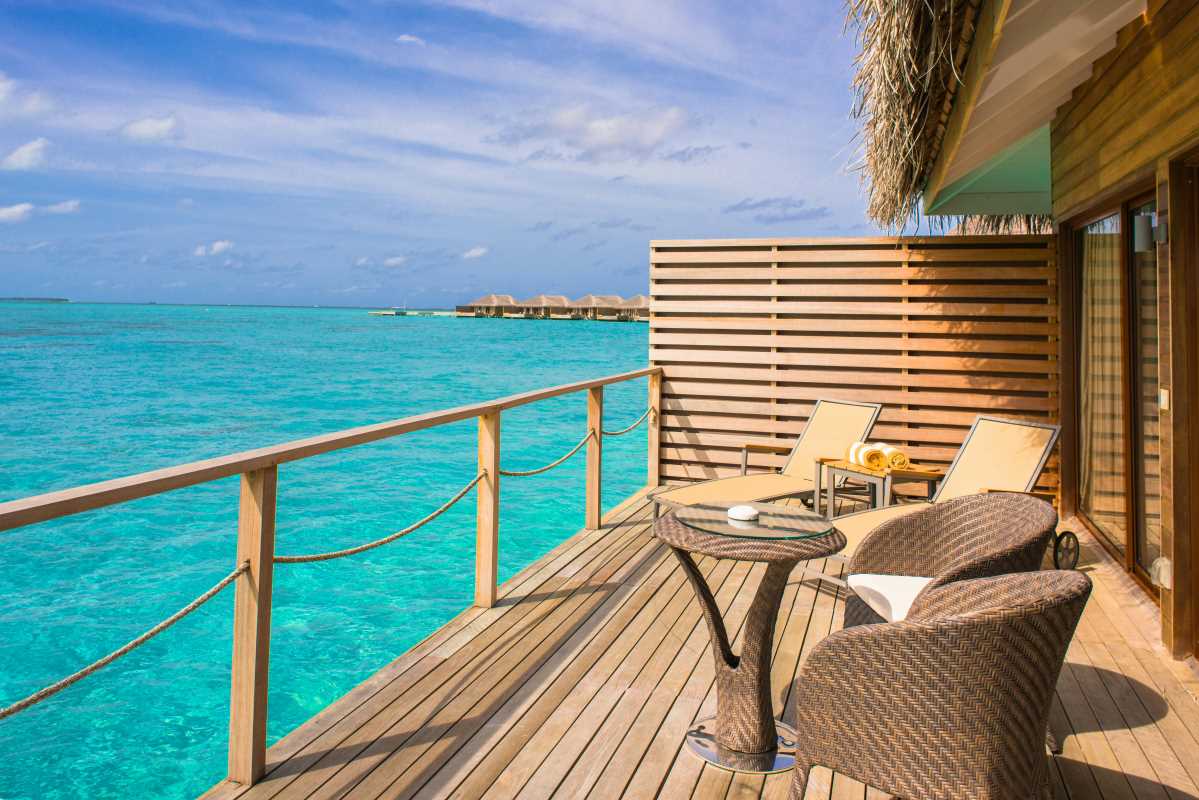
Soneva Fushi, based in the Maldives, is the birthplace of the “barefoot luxury” experience, a laid-back approach that’s all about reconnecting with nature. They pioneered the “Waste-to-Wealth” process, recycling the majority of their waste on-site at their Eco Centro facility. Food scraps are turned into compost, and glass is upcycled onsite to create works of art for the resort. Soneva banned plastic straws back in 1998, proving their long-standing commitment.
Solar panels help meet a significant portion of the island’s energy needs, and a mandatory carbon levy on all guest stays funds reforestation, clean cooking stoves for families in Myanmar and Darfur, and freshwater wells. When you book here, your stay funds tangible projects that help communities far beyond the resort grounds.
Mashpi Lodge, Ecuador
Set in the cloud forest, Mashpi Lodge won awards for minimizing its construction footprint. Most building parts were pre-assembled in Quito and installed on-site with minimal disturbance to nature. The lodge now anchors a 2,500-acre reserve protecting critical biodiversity in the Chocó-Andean Forest.
A team of resident biologists and guides conduct regular research, discovering new species and hosting guests on walks to learn about these ecosystems. Many staff members previously worked in local logging, which is a testament to the lodge’s influence in creating green jobs and steering the local economy toward conservation.
Whitepod, Switzerland
High in the Swiss Alps, Whitepod demonstrates how a luxury retreat can coexist with wilderness. The unique dome-shaped pods are anchored to wooden platforms rather than built on full foundations, reducing land impact. The geometric design is also energy efficient, requiring roughly a third less energy to heat and cool compared to typical buildings.
Guests sleep under pellet-heated domes that use locally sourced wood and mountain spring water. The property strictly limits both water and electricity use. By keeping the site car-free (guests walk or ride snowmobiles to their domes, and traffic is kept at the periphery), Whitepod keeps the valley pristine for everyone, guests and wildlife alike.
Campi Ya Kanzi, Kenya
A model for conservation and cultural partnership, Campi Ya Kanzi in Kenya is co-owned and run with members of the Maasai community. The eco-lodge utilizes local lava rock, earth, and grass for construction, requiring almost no fossil fuel use during building.
Electricity and water heating are 100% solar powered. Water is saved throughout the dry season using rain capture systems, preventing strain on local supplies. A daily conservation fee directly supports the Maasai Wilderness Conservation Trust, which funds critical programs like wildlife monitoring, education for Maasai children, and healthcare for the wider community. This revenue model creates a clear incentive for the Maasai to protect wildlife as a precious resource.
1 Hotel Brooklyn Bridge, USA
Urban properties are joining the movement, too. 1 Hotel Brooklyn Bridge in New York demonstrates how city hotels can make a difference. Their powered-by-wind-credits approach keeps the hotel running without intensive fossil fuel use. Rainwater collected onsite irrigates adjacent Brooklyn Bridge Park and rooftop gardens.
Every design choice, from reclaimed wood furnishings to recycled concrete, is made with sustainability in mind. Suites have custom energy controls to reduce power when guests are away, and recycled materials are incorporated, even down to the clothes hangers and doormats. For more on their green initiatives, explore their sustainability efforts.
Lapa Rios Lodge, Costa Rica
Located in Costa Rica’s lush Osa Peninsula, Lapa Rios Lodge sits on a 1,000-acre private reserve, helping to protect one of the world’s last lowland rainforests. Their open-air bungalows are cleverly designed to rely on cool breezes and fans instead of air conditioning, saving a huge amount of electricity.
The property uses local palm for roofing and bamboo for furniture, supporting area growers and reducing the shipment of heavy materials. A creative composting system uses pigs to consume kitchen scraps and create biogas for staff cooking. The Carbonera School started here gives local kids free education in conservation; guests can visit and meet the students as part of their stay.
Getting Started on Responsible Travel
To pick the right place, look for respected certifications such as Green Globe, LEED, or EarthCheck. Resort websites now often feature entire sections devoted to environmental initiatives, and you can learn a lot by checking their sustainability pages.
All articles published on FindMyResort are created for informational and editorial purposes only. Readers are encouraged to verify details directly with resorts, hotels, or official tourism sources before making travel decisions. FindMyResort is not affiliated with, endorsed by, or officially connected to any resort, hotel brand, or tourism authority unless explicitly stated.