 (Image via
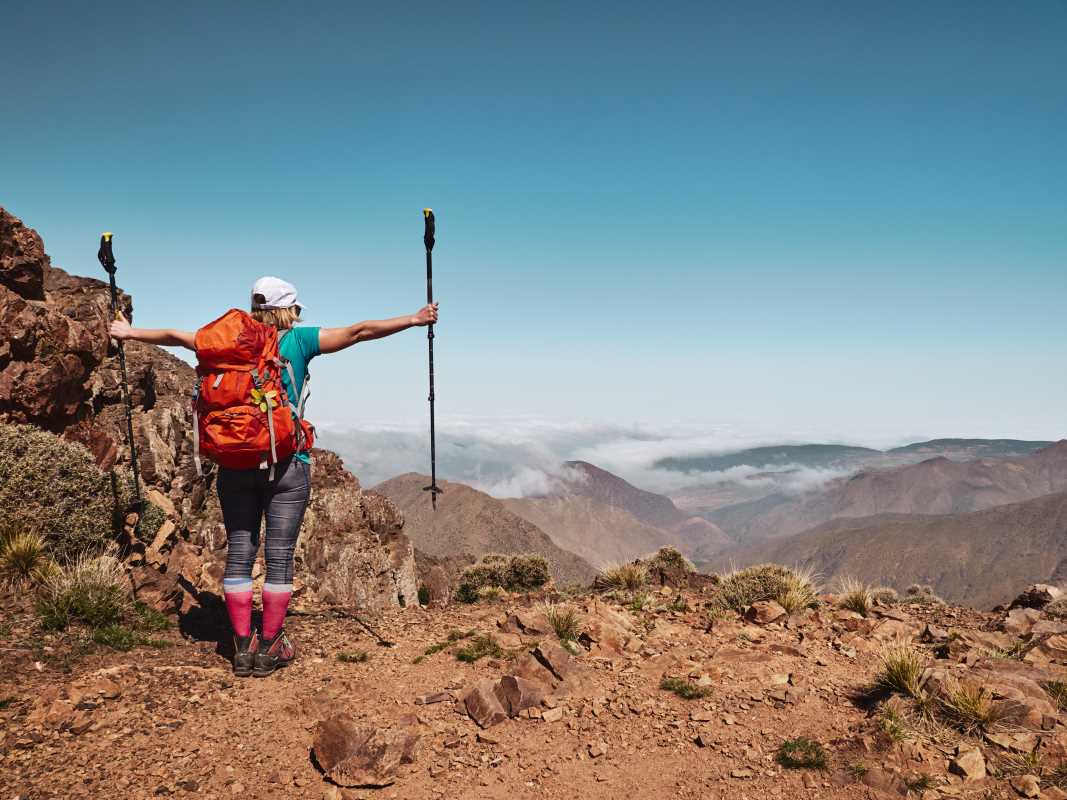
The desert may be calling to you. There's more than meets the eye in these arid landscapes. Venturing into the desert is a bold experience, offering landscapes and challenges you won’t find anywhere else. Think of endless dunes, dramatic rock formations, and a silence so profound it wraps around you. Hiking and exploring these environments can be deeply rewarding, but it demands focus and thoughtful preparation. The sunlight is powerful, the air is dry, and temperatures can swing wildly from scorching afternoons to freezing nights. Equipping yourself correctly goes beyond comfort; it’s essential for survival. Every piece of your kit should help you handle the elements while making travel easier. This guide details everything you need, replacing general advice with specific, field-tested gear recommendations to help you enjoy the wonders of the desert with peace of mind.
Clothing: Building Your Defense
What you wear is your first line of defense against the harsh desert environment. You need protection from the sun and the ability to regulate your body temperature efficiently. While it might seem intuitive to wear less in the heat, covering up with the right materials actually keeps you cooler and safer.
Smart Fabric Choices: The Base Layer
Cotton is generally the enemy of hikers because it traps moisture, but in the desert, this can sometimes be an advantage. However, for serious trekking, modern synthetics or wool blends are superior for their wicking capabilities and UV protection.
- Top Pick: Patagonia Capilene Cool Daily Hoody. This shirt is a desert staple. Its sun protection is achieved through the fabric's weave rather than chemical treatments, meaning it won't wash out over time. It dries incredibly fast, and the hood provides crucial coverage for your neck and ears without needing a scarf.
- Alternative: Mountain Hardwear Crater Lake Hoody. Known for its silky-soft feel and high UPF rating, this lightweight top excels at keeping the sun off your skin while letting the breeze through, acting almost like a personal shade structure.
Versatile Pants for Protection
Shorts might seem appealing, but your legs need protection from UV rays, abrasive rocks, and sharp desert flora like cacti and yucca.
- Top Pick: Outdoor Research Ferrosi Pants. These are legendary in the hiking community for good reason. Reviews consistently highlight their incredible stretch and breathability. They use a lightweight soft-shell fabric that cuts wind but releases heat, making them durable enough for scrambling up sandstone yet cool enough for high noon.
- Convertible Option: Columbia Silver Ridge Utility Convertible Pants. If you insist on the option for shorts, these are the gold standard. They offer UPF 50 protection and wick moisture effectively, allowing you to adapt to changing temperatures instantly.
Footwear for Demanding Terrain
Desert terrain is unforgiving. You need shoes that breathe well to prevent your feet from overheating but have soles thick enough to insulate against the scorching ground.
- Hiking Shoe: Altra Lone Peak 8. Popular among desert through-hikers, these trail runners feature a signature wide toe box. This design allows your feet to swell naturally in the heat without blistering, while the quick-dry mesh upper ensures maximum ventilation.
- Mid-Boot Option: Merrell Moab 3 Ventilator Mid. If you need ankle support, the "Ventilator" version of the classic Moab is perfect. It skips the waterproof membrane—which can turn your shoe into a sauna in dry heat—in favor of maximum airflow mesh panels.
- Socks: Darn Tough Hiker Micro Crew Cushion Socks. Never hike in cotton socks. These merino wool socks regulate temperature and are naturally antimicrobial. Plus, they come with an unconditional lifetime guarantee.
Hydration: Staying Fueled and Refreshed
Water is your lifeline. In the desert, dehydration sets in faster than you realize. A reliable system to carry and consume water is non-negotiable.
Bladder vs. Bottle
A hydration bladder encourages frequent sipping, which is better for hydration than chugging water infrequently.
- Hydration Reservoir: CamelBak Crux 3L Reservoir. The 3-liter size is ideal for desert day hikes where water sources are scarce. The Crux delivers 20% more water per sip, and the on/off lever prevents leaks in your pack, preserving every precious drop.
- Backup Bottle: Nalgene Wide Mouth 32oz Water Bottle. Always carry a hard-sided backup. Nalgenes are nearly indestructible. The wide mouth is easy to fill and clean, and in an emergency, it can be used to mix electrolytes or protect sensitive electronics.
Restoring Balance: Electrolytes
Sweating in dry heat evaporates instantly, leaving salt streaks on your skin and depleting your body's minerals. Replacing these electrolytes is critical to preventing heat exhaustion and cramps.
- Powder Mix: Liquid I.V. Hydration Multiplier. These packets are easy to stash in a pocket and utilize Cellular Transport Technology (CTT) to hydrate you faster than water alone.
- Tablet Option: Nuun Sport Electrolyte Tablets. Just drop one in your Nalgene. They aren't sugary like sports drinks but provide the essential sodium, potassium, and magnesium you need to keep your muscles functioning.
Navigation: Finding Your Way
Desert landscapes can be disorienting; one canyon looks much like another. Digital tools are great, but analog backups are essential when batteries fail in the extreme heat.
- GPS App: Gaia GPS. This app is superior for backcountry exploration. Download the "USGS Topo" layer for offline use before you lose signal. It clearly shows terrain features that Google Maps often misses, helping you avoid impassable cliffs.
- Compass: Suunto MC-2 Compass. This professional-grade mirror compass allows for precise navigation and sighting landmarks. The built-in mirror also doubles as an emergency signal device, a vital multi-use feature.
- Satellite Communicator: Garmin inReach Mini 2. This small device is a literal lifesaver in dead zones. It allows you to send two-way text messages via satellite and has an SOS button that contacts a 24/7 search and rescue monitoring center.
Sun Safety: Extra Protection
The desert sun is relentless. Covering your skin is step one, but you need accessories to shield the vulnerable parts of your face and eyes.
Hats and Eyewear
A baseball cap leaves your ears and neck exposed to burns. You need full coverage.
- Hat: Outdoor Research Sun Runner Cap. This versatile system functions as a baseball cap with a snap-on "cape" that covers your neck and sides of your face. While it has a distinctive look, it offers superior protection compared to standard brimmed hats.
- Sunglasses: Julbo Sherpa Mountaineering Sunglasses. These classic glacier glasses have leather side shields that block peripheral light and glare reflecting off sand and rock. They are lightweight, shatter-resistant, and stay secure on your face.
Wise Sunscreen Use
- Sunscreen: Blue Lizard Sensitive Mineral Sunscreen SPF 50+. Mineral sunscreens containing zinc oxide sit on top of your skin to reflect UV rays and don't degrade as quickly in the heat as chemical sunscreens. This brand is sweat-resistant and reef-safe.
Emergency and Safety Equipment
In the desert, small problems can become emergencies quickly. Your kit should address the specific threats of heat and spines.
- First Aid Kit: Adventure Medical Kits Ultralight / Watertight .7. This kit is lightweight but comprehensive. Be sure to add a sturdy pair of Tweezerman Tweezers specifically for removing cactus spines—cheap plastic ones usually fail to grip fine glochids (tiny spines).
- Comb: A simple plastic comb is the best tool for flicking "jumping cholla" cactus balls off your skin or clothes without getting the spines stuck in your fingers.
- Emergency Bivvy: SOL (Survive Outdoors Longer) Emergency Bivvy. Desert temperatures can drop 40 degrees at night. This reflective bag weighs less than 4 ounces but reflects 90% of your body heat back to you, preventing hypothermia.
Picking the Right Backpack
You need a pack that can handle the weight of water (which is heavy!) while keeping air flowing across your back to prevent heat rash.
- Day Pack: Osprey Stratos 24. The defining feature here is the "AirSpeed" suspension system. It keeps the actual pack body suspended away from your back with tensioned mesh, allowing maximum airflow. It’s perfect for sweaty desert hikes.
- Large Day Pack: Deuter Futura 32. Like the Osprey, this features a suspended mesh back system known as "Aircomfort." It offers slightly more room if you are carrying extra gear for a group or photography equipment.
All articles published on FindMyResort are created for informational and editorial purposes only. Readers are encouraged to verify details directly with resorts, hotels, or official tourism sources before making travel decisions. FindMyResort is not affiliated with, endorsed by, or officially connected to any resort, hotel brand, or tourism authority unless explicitly stated.