 (Image via
Most people love going to the beach and letting the water lap against their feet. But if this is your only experience with the ocean, there's a whole world down below that you're missing out on. So what's the best way to explore? Blending experiences—scuba in the morning, snorkeling in the afternoon—gives you a true taste of everything these tropical reefs offer. You might find yourself swimming past vibrant coral one moment and drifting peacefully through shallow pools the next. In this guide, you’ll discover top picks for both activities, smart planning advice, and how to fully enjoy every underwater adventure that awaits.
Why Pair Underwater Exploration Activities?
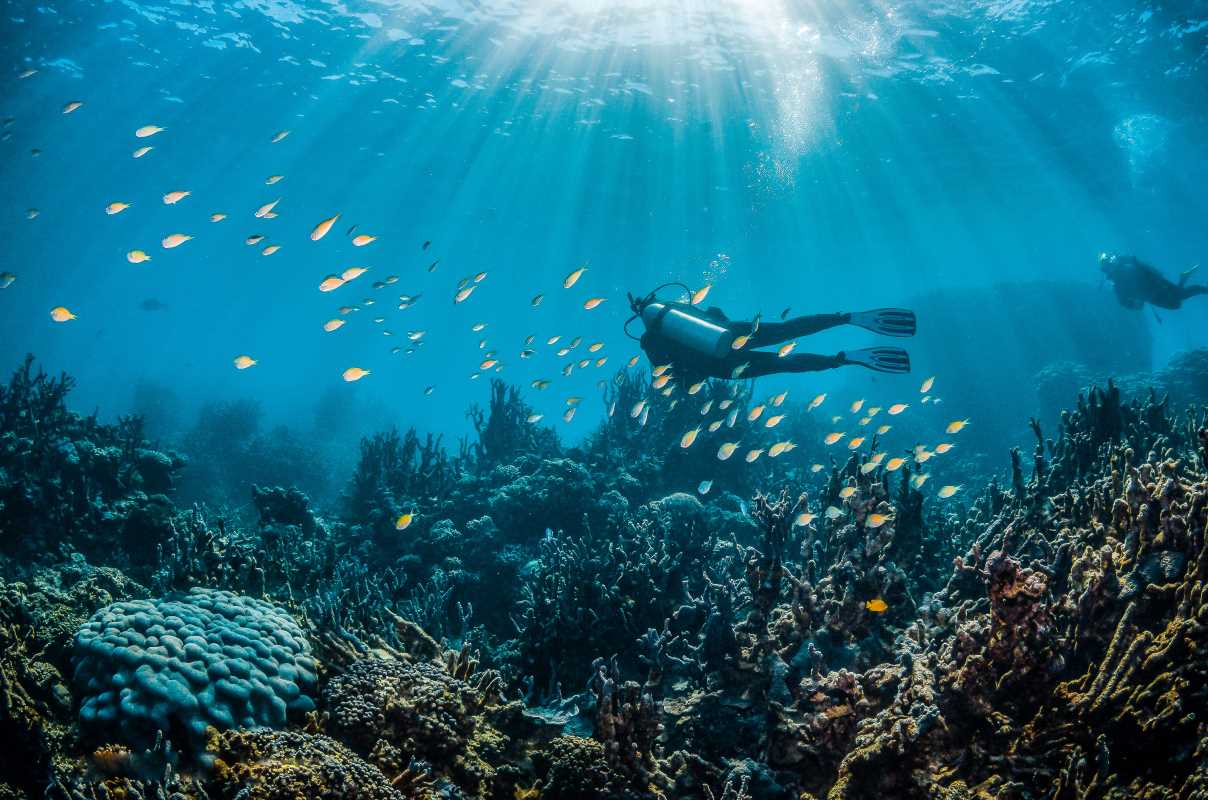
Many travelers think they need to choose just one way to explore, but mixing both activities adds much more to your trip. With scuba, you can descend to vibrant depths where larger sea creatures and colorful coral formations can be found. It’s an immersive experience. You’ll glide alongside turtles or investigate hidden shipwrecks, feeling part of this world beneath the waves.
Snorkeling, by contrast, brings its own special appeal. With minimal equipment and little setup, you can slip in and out of the water with ease. The bright sunlight on shallow reefs highlights the vivid colors of sea life and coral, sometimes even more so than in deeper areas. Including both approaches in your plans allows you to experience everything the ocean world has to offer, from lively shallow habitats to the wonders that await farther below.
Top Caribbean Locations for Dual Water Adventures
Not every destination offers the same variety of options for exploring beneath the waves. Some islands provide accessible reefs close to shore for relaxed afternoons, while others feature boat outings that let you venture deeper and experience a wider range of marine sights.
Bonaire: Shoreline Adventures Await
Bonaire is a standout because it’s surrounded by protected waters, fostering a thriving marine environment. The island has earned a reputation for its easy-access shoreline experiences. Just rent a truck, pick up some air tanks, and set off from nearly any beach along the coast. Exploring the sea here is as simple as walking straight in from shore, making adventure accessible throughout your stay.
- For Snorkelers: The island’s shallow terraces are alive with marine creatures. At 1000 Steps (don’t worry, it’s really closer to 67 steps), you’ll enjoy exceptionally clear water with parrotfish and angelfish gliding right by the shore.
- For Divers: The reef’s dramatic drop-off begins only a short swim out. Descend to about 60 feet to explore walls covered in colorful sponges and waving gorgonians. The option to dive on your preferred schedule makes Bonaire a favorite among underwater explorers.
Cozumel, Mexico: Experience the Thrill of Drift Exploring
Located off the Yucatán Peninsula, Cozumel is famous for its effortless drift experiences. Steady currents make it easy to relax and glide along the colorful reef, giving you front-row views of vibrant marine life as if you’re watching scenes unfold from a moving window.
- For Snorkelers: The Chankanaab Beach Adventure Park is a serene, protected zone that’s great for those just starting out. There, you’ll find large groups of fish and intriguing underwater sculptures, all without needing a boat. Another highlight is El Cielo, celebrated for its gentle, sandy expanse dotted with impressive starfish.
- For Divers: The expansive Palancar Reef is an icon for enthusiasts. These sites showcase soaring coral towers and winding underwater passageways. With visibility often exceeding 100 feet, it can feel as though you’re gliding weightlessly through another world.
Grand Cayman: Stunning Drop-Offs and Friendly Rays
Grand Cayman delights visitors with striking underwater scenery and some of the region’s most unforgettable animal experiences.
- For Snorkelers: Stingray City is an essential experience. This sandbar is home to numerous friendly southern stingrays. You can stand in shallow water and watch them swim gracefully around you. It’s lively, interactive, and unforgettable.
- For Divers: Grand Cayman forms the peak of a submerged mountain, with walls that plunge steeply just offshore. North Wall excursions reveal endless blue depths where you may encounter spotted eagle rays or even reef sharks.
Planning a Balanced Water Adventure
Planning for two types of water adventures involves a little foresight, so you get the safest and most rewarding experiences possible.
Managing Your Air and Safety
If you’ve already earned your dive certification, you might be familiar with "surface intervals" and the concept of "no-fly times." As you spend more time beneath the waves, nitrogen gradually builds up in your system. That’s where snorkeling really shines. It's an ideal way to spend your off-gassing periods. Make the most of your mornings by going deeper, then after lunch, switch to exploring the reefs from above in shallow water. Snorkeling won’t increase your nitrogen level, so it offers a fun, safe way to maximize your time in the sea all day long.
Choosing Between Boat Tours and Shore Experiences
Consider the different ways to enter the water for your adventures.
- Mixed Boat Charters: Many operators welcome both snorkelers and divers on the same outings, often with a reduced rate for those staying near the surface. This setup is great for groups with different interests. Snorkelers enjoy the view from above as divers head deeper. Just be sure the site is shallow enough (20-40 feet) for everyone to catch a glimpse of the scenery.
- Dedicated Shore Days: Plan certain days around easy shore entry. Renting a car and hopping from one beach to another gives you flexibility. If the water is full of action, stay longer; if not, move on and try a new spot.
Gear Up: Essentials for Exploring Both Worlds
While gear rentals are widely available, having some personal equipment can greatly enhance your comfort and ensure better hygiene.
- The Mask: Comfort and fit are key for your mask. If it doesn’t seal well, you’ll spend more time clearing water than seeing the sights. Choose a well-made, low-volume model with silicone edging for a snug, comfortable fit.
- Snorkel: Great for surface breathing in any setting, a dry-top snorkel keeps out splashes. Even certified divers find this handy, saving energy while waiting on the water’s surface.
- Fins: Opt for open-heel fins paired with booties if you’re packing light. This setup helps you transition from sandy beaches to rocky shorelines, whether you’re gearing up for a deeper swim or exploring close to shore.
- Rash Guard or Wetsuit: The ocean can feel cooler than expected, even in the tropics. A 3mm shorty wetsuit serves well for extended outings, while a long-sleeved rash guard will shield your skin from the Caribbean sun when floating in the shallows.
Ideal Season for Your Adventure
The Caribbean welcomes travelers year-round, but choosing the right season can make your getaway even more enjoyable.
Steering Clear of Stormy Weather
Hurricane season is from June to November, bringing both affordability and some risk of weather disruptions. Be aware that August and September can be the most active for storms, so flexible plans are wise if you travel during these months.
Perfect Timing
December to April brings the region’s sunniest, most comfortable weather, though it’s also the peak period for visitors and prices. May, June, and November fall into the “shoulder seasons.” You’ll find warm temperatures, inviting water, and lighter crowds during these times.
Ocean Conditions
During winter months, you might notice the water drop to around 78°F (25°C), which can feel cool after some time outside. By late summer, temperatures often reach a delightful 84°F (29°C). Clear views beneath the surface are common throughout the year, but keep in mind that rain can sometimes wash sediment into coastal areas, temporarily reducing clarity near the beach.
Practical Tips for Your Ocean Adventure
- Check Your Certification: If it’s been a while since your last time underwater, consider a quick refresher session with an instructor. This is a great way to review important skills and boost your confidence before the trip.
- Reef-Safe Sunscreen: Essential for protecting marine habitats. Avoid products with harmful chemicals. Choose mineral options with zinc oxide or titanium dioxide. Wearing UV-protective clothing means you’ll need even less on exposed skin.
- Hydrate: Saltwater activities and breathing compressed air can lead to dehydration. Drink plenty of water throughout your outing to help you feel your best.
- Respect the Environment: Whether exploring by fin or snorkel, maintain good buoyancy and never touch or stand on corals. Treat all sea creatures and their habitat with care.
A tropical getaway that blends exploring below the surface with relaxing swims offers you the best of both worlds. You experience the excitement of deeper water and the gentle pace of floating near the top, ensuring you take in every part of this vibrant habitat.
All articles published on FindMyResort are created for informational and editorial purposes only. Readers are encouraged to verify details directly with resorts, hotels, or official tourism sources before making travel decisions. FindMyResort is not affiliated with, endorsed by, or officially connected to any resort, hotel brand, or tourism authority unless explicitly stated.