 (Image via
Being able to explore a coral reef is a dream come true. Bright fish zip through colorful corals, sea turtles drift by, and every part of the water feels alive. Having dependable equipment turns this from a battle with foggy lenses into a smooth, memorable journey. You don’t need expert experience to benefit from reliable gear. Just a few smart upgrades can make your outing more enjoyable and much safer. We’re here with tips to help you choose the best essentials. From finding a mask that fits just right, to picking fins that help you move easily, there’s a lot to discover. It’s time to get prepared and jump in!
The Window to the Sea: Choosing the Right Mask
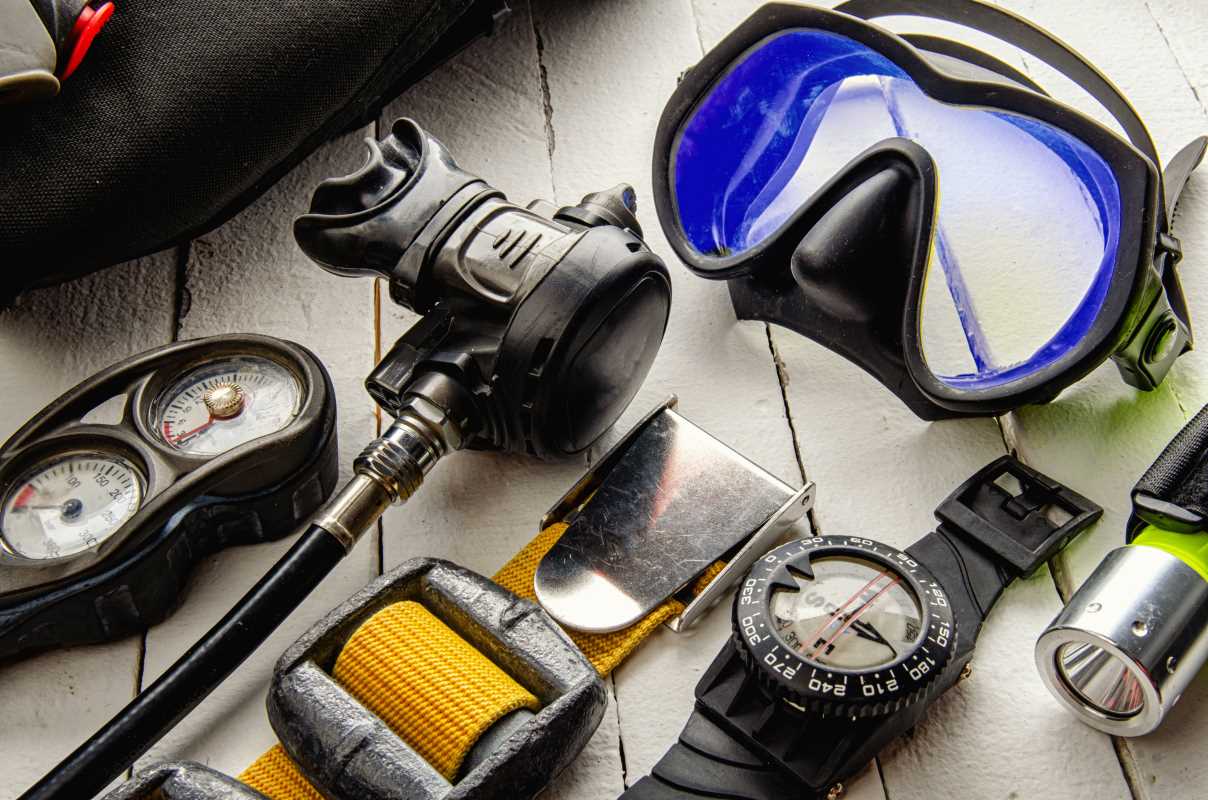
Your mask will be your most important tool. It gives you a clear view while underwater, letting you see all the details that make the experience incredible. Poor-fitting or foggy masks are the main thing that can ruin a fun day.
How it fits matters most. Don’t worry about colors or logos at the start. Start by checking the seal. Hold the mask to your face, inhale through your nose, and see if it sticks in place without the strap. If it drops, try a different one.
Look for a silicone skirt. Silicone is softer and stronger than basic rubber. It sits closer to your skin and seals out leaks, which means greater comfort during longer swims. Transparent skirts let in extra light, creating an open feeling, while dark ones cut down on glare, especially useful for those trying to capture underwater photos.
Masks with low internal space are a firm favorite. They sit nearer to your cheeks, expanding your field of vision and making them easier to clear should water get inside. Brands like Cressi and Mares are known for crafting masks with styles suitable for many face shapes.
Fins: Power and Efficiency
Fins act as your underwater propellers. They turn your kicks into smooth gliding, making it possible to move about with less effort.
Full-foot models are ideal for tropical excursions. Your bare feet slip right in, making them light and simple to bring along. Be sure the fit is snug but not uncomfortable or tight.
Open-heel types are a staple for those strapping on heavier swimming equipment. These have straps at the back and are usually worn with booties, which keep your feet free from scrapes and irritation if you enter the water from rocks or sand. Open-heel styles tend to deliver more drive, helping you move even with extra equipment attached.
Consider blade stiffness too. Harder blades provide a powerful push but can tire your legs faster. Softer options are easier on the legs, but might not be strong enough in faster currents. Split fins sit in the middle and are built for energy-saving while still allowing good speed.
The Snorkel: Breathing Made Easy
A snorkel lets you breathe while you float face down, allowing you to focus on what’s happening in the water below.
Dry models are especially useful. With a special valve at the top, they block water when you submerge, so there’s no worry about sipping in salt water when you come up.
Purge valves near the mouthpiece are helpful. They let water that sneaks in drain out quickly with just a gentle puff.
You’ll want a soft mouthpiece. Silicone versions won’t rub your gums or teeth during long use. Some have a bendable midsection, which is handy for swimmers who need to free up their mouth while using other equipment.
Suits and Protection: Staying Warm and Safe
Water pulls away your body heat much faster than air does. Even in pleasant climates, you can get chilly without some protective clothing.
For warm waters, rash guards are best. They’re light, fit like a second skin, and give you a shield from sunburn and pesky sea creatures. They also prevent your buoyancy device from causing irritation.
For cooler bodies of water, wetsuits are essential. They work by trapping a tiny layer of liquid between your body and the suit, which your warmth heats. A short suit (typically 3mm thick) covers most needs in tropical spots, while a full-length suit (3mm or 5mm) offers better insulation at depth or for those who get cold faster.
The fit has to be snug but never restrictive. A suit that’s too big lets cold water in, which defeats its purpose. Think of it as a gentle hug, not a straitjacket.
Dive Computers: Your Personal Guide
A reliable wrist computer is a diver’s key safety tool. It helps you keep track of how long you’ve been under, how deep you are, and prevents you from ascending too quickly.
Beginner devices are designed for simplicity. Big screens, basic navigation, and clear readings make all the difference. You won’t need anything fancy to get value. Look for a unit with easy-to-read numbers, backlighting for dim moments, and replaceable batteries for convenience.
Suunto and Shearwater are standout brands people trust. The Suunto Zoop Novo, as an example, is friendly for newcomers and built to last. It shows exactly how much air time you have at certain depths, giving extra peace of mind.
Accessories: Enhancing the Experience
A handful of small items can take your trip to a whole new level.
- Waterproof Camera: Preserving your memories is half the fun. Compact action cams like GoPro deliver sharp video in the thick of the reef. For richer colors, use a red filter to bring life back to your underwater shots.
- Handheld Lights: Color fades fast as you go deeper. A pocket-sized torch brings the bright hues back and lets you peek into nooks where little creatures hide.
- Surface Marker Buoy (SMB): This safety tool lets boats spot your location at the surface. Every explorer should keep one handy and know how to use it properly.
- Anti-Fog Drops: Nothing spoils a view like a steam-covered lens. Specialty gels beat plain spit and will keep your field of vision clear for the whole outing.
Caring for Your Gear
Saltwater is hard on your kit. Taking care of what you use will keep it working well for many trips to come.
Always rinse everything in fresh water after your day is done. Dry salt can damage seals and cause zippers to stick. Let your regulator and computer soak for a little to wash away any hidden salt.
Shade-drying is vital. The sun’s rays can break down soft materials and fade colors. Drape your wetsuit securely on a wide hanger and store your mask in a box when not in use.
Store your equipment with care. Fins can warp if left standing. Lay them flat and keep your mask away from other rubber items that could discolor the silicone.
Renting vs. Buying
If you’re a beginner or only go out a couple of times a year, renting works fine. It also lets you try out different models before making a purchase. But having your own set (especially a mask, snorkel, and fins) means better comfort and hygiene.
Your own gear will fit reliably, making every trip more enjoyable. No more worries over an ill-fitting mask ruining your day or sharing mouthpieces. Invest in the basics first, then, as you gain confidence, consider getting personal versions of more technical equipment.
Heavier gear, like buoyancy devices or regulators, can be rented from most outfitters and usually come well-maintained.
All articles published on FindMyResort are created for informational and editorial purposes only. Readers are encouraged to verify details directly with resorts, hotels, or official tourism sources before making travel decisions. FindMyResort is not affiliated with, endorsed by, or officially connected to any resort, hotel brand, or tourism authority unless explicitly stated.