 (Image via
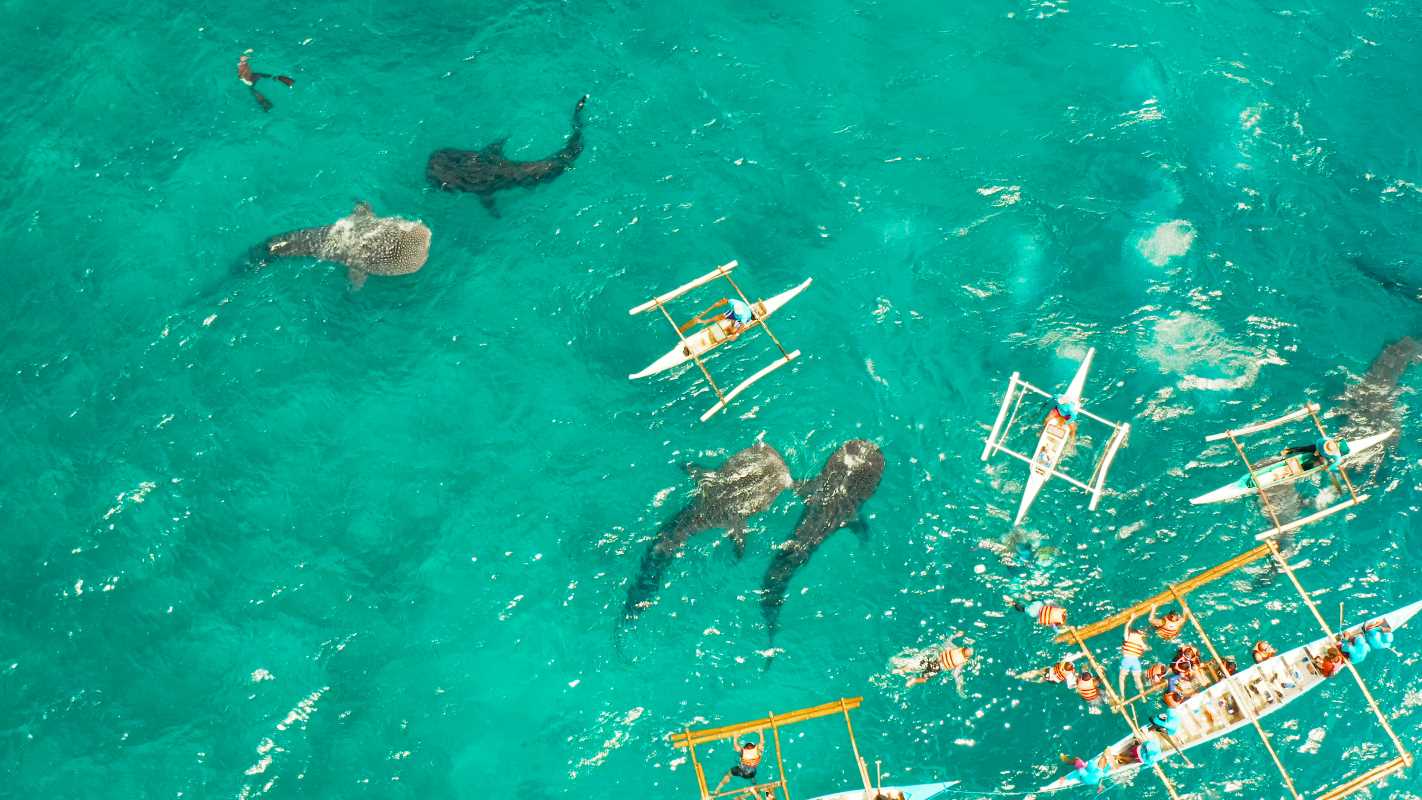
Whale sharks are the gentle giants of the ocean. The Philippines offers up close and personal experiences. The sunlight shimmers overhead as you encounter an enormous creature, easily as long as a school bus, and feel your pulse quicken with excitement. This isn’t a fantasy; it’s a real treat awaiting adventurous travelers in the archipelago. Known for warm welcomes and stunning coastlines, this destination draws visitors looking for both heart-pounding experiences and peaceful scenery. After a morning of unforgettable close encounters, picture yourself sprawled on a soft, sandy beach while a golden sunset paints the sky, savoring a fresh seafood dinner. This guide brings together the must-have tips to help you create a journey filled with both adrenaline and relaxation in the Philippines.
Meeting the Gentle Giants: Whale Shark Snorkeling
Whale sharks (butanding in Filipino) are the largest fish in the sea, yet they are incredibly docile, filter-feeding on plankton and small fish. Sharing the water with them is a profound experience that can change your perspective on marine life. The key is to choose an operator that prioritizes the animals' welfare.
While Oslob in Cebu is a well-known spot, its practice of feeding the sharks has raised significant ethical concerns among marine biologists, as it alters natural behaviors. For a more sustainable and wild encounter, consider these two locations.
Donsol, Sorsogon
Often called the "Whale Shark Capital of the World," Donsol offers a truly natural interaction. Here, feeding is strictly prohibited. You join a boat with a certified Butanding Interaction Officer (BIO) who spots the sharks as they feed naturally in the plankton-rich waters. When a shark is spotted, you'll slide into the water to snorkel alongside it. It’s a thrilling chase that feels incredibly rewarding because you are observing a wild animal in its natural habitat.
- Verified Operator: Donsol EcoTour. They work directly with the local tourism office and are highly-rated for their adherence to government regulations. Their guides are experienced BIOs who ensure respectful distances are maintained.
Pintuyan, Southern Leyte (Sogod Bay)
This is an emerging, less-crowded destination for serious marine enthusiasts. The interactions in Sogod Bay are community-based and eco-conscious. The season typically runs from November to May. The pristine waters here often mean excellent visibility, and you might have an encounter all to yourself without the fleets of boats found elsewhere.
- Verified Operator: Sogod Bay Scuba Resort. While primarily a dive resort, they run dedicated snorkeling trips for whale shark interactions. They are known for their strong conservation ethos and small group sizes, making for an intimate and respectful experience.
Snorkeling Etiquette: A Responsible Tourist's Guide
Protecting these magnificent creatures is a shared responsibility. Follow these official guidelines to ensure every interaction is safe for both you and the sharks.
- Do Not Touch: Never make contact with a whale shark. Their skin has a protective mucus layer that can be harmed by human touch.
- Keep Your Distance: Maintain a minimum distance of 4 meters (about 13 feet) from the shark at all times. Stay clear of its powerful tail.
- No Flash Photography: The sudden bright light can startle the animals.
- No Sunscreen: Most sunscreens contain chemicals that are toxic to marine life. Wear a long-sleeved rash guard and leggings for sun protection instead. This also protects you from minor jellyfish stings.
The Perfect End: A Sunset Beach Dinner
After the exhilarating start to your day, you’ll be ready to unwind. The Philippines is famous for its dramatic sunsets, which paint the sky in brilliant shades of orange, pink, and purple. It’s the perfect backdrop for a memorable meal.
A Feast of Filipino Flavors
Dining with your feet in the sand is the perfect way to experience authentic Filipino cuisine. The dishes are a unique blend of sweet, sour, and savory flavors.
- Kinilaw: The Filipino version of ceviche. Fresh, raw fish (like tuna or Spanish mackerel) is cured in vinegar, calamansi (a local citrus), ginger, onions, and chili. It’s tangy, refreshing, and a perfect seaside starter.
- Grilled Seafood: Expect platters of freshly caught fish, squid (pusit), and prawns, often marinated in a simple mix of soy sauce, calamansi, and garlic before being grilled over hot charcoal for an irresistible smoky flavor.
- Chicken Inasal: A specialty from the Visayas region, this is chicken marinated in a mixture of lemongrass, calamansi, garlic, and annatto oil, then grilled to juicy perfection.
- Philippine Mangoes: Widely considered some of the sweetest in the world, no meal is complete without fresh mango for dessert.
Restaurants for a Sunset Dinner
Many resorts and restaurants offer beach dining, but these stand out for their setting and quality.
- Habi Restaurant & Bar (El Nido, Palawan): Located along the shores of Corong-Corong Beach, Habi offers open-air beachfront dining with sweeping sunset views. Known for its sustainable approach and contemporary Filipino cuisine, the restaurant features dishes like grilled local seafood, freshly made kinilaw, and wood-fired specialties. It’s the perfect place to enjoy a romantic meal with your toes in the sand as the sun dips below the Bacuit Bay horizon.
- Cowrie Cove Seafood Bar & Grill (Shangri-La Mactan, Cebu): For a more upscale experience, Cowrie Cove offers an incredible al fresco setting on a deck overlooking the Mactan Channel. You can listen to the waves while enjoying a world-class seafood menu and signature cocktails. It's the perfect spot for a special occasion.
- La Sirena Seafood Restaurant & Bar (Boracay): Situated on the quieter Diniwid Beach, La Sirena offers spectacular sunset views away from the main crowds of White Beach. They specialize in fresh seafood and offer private dining setups right on the sand, complete with torches and lanterns for a truly romantic atmosphere.
Planning Your Philippine Adventure
To turn this dream trip into reality, a bit of planning goes a long way.
Best Time to Visit
The Philippines has two main seasons: dry and wet. The dry season, from December to May, is the ideal window for this adventure.
- Donsol & Sogod Bay Season: The whale sharks are most reliably spotted between February and May when the plankton is abundant.
- Weather: January to April offers the best chance for sunny skies and calm seas, which are perfect for snorkeling and beach dinners. Avoid the main typhoon season from June to November.
What to Pack
- Rash Guard and Leggings: Essential for sun protection without using harmful sunscreen.
- Underwater Camera: A GoPro or a waterproof phone case is a must to capture your whale shark encounter.
- Dry Bag: To keep your electronics, wallet, and a change of clothes dry on the boat.
- Aqua Shoes: Protect your feet from sharp rocks or coral on some beaches.
- Cash (Philippine Pesos): While major resorts accept cards, you'll need cash for smaller local operators, tricycle rides, market stalls, and environmental fees.
All articles published on FindMyResort are created for informational and editorial purposes only. Readers are encouraged to verify details directly with resorts, hotels, or official tourism sources before making travel decisions. FindMyResort is not affiliated with, endorsed by, or officially connected to any resort, hotel brand, or tourism authority unless explicitly stated.